
Nassau County · Suffolk County
Water Damage Restoration on Long Island
From the city line at Elmont to the end of the North and South Forks, Long Island’s homes face a particular mix of water risks: basements that sit close to the water table, a South Shore that floods in coastal storms, postwar houses with aging plumbing, and, in most of Suffolk, cesspools instead of sewers.
One call connects you with an independent restoration company that serves your part of the Island, any hour of the day.
Long Island at a glance
- Counties
- Nassau and Suffolk
- Biggest local risks
- Basement flooding, coastal surge, frozen pipes
- State rainfall record
- 13.57 in. at Islip, Aug. 2014
Answered 24/7 · free to call
By county
Find help in your part of Long Island
Nassau County
All Nassau County communitiesSuffolk County
All Suffolk County communities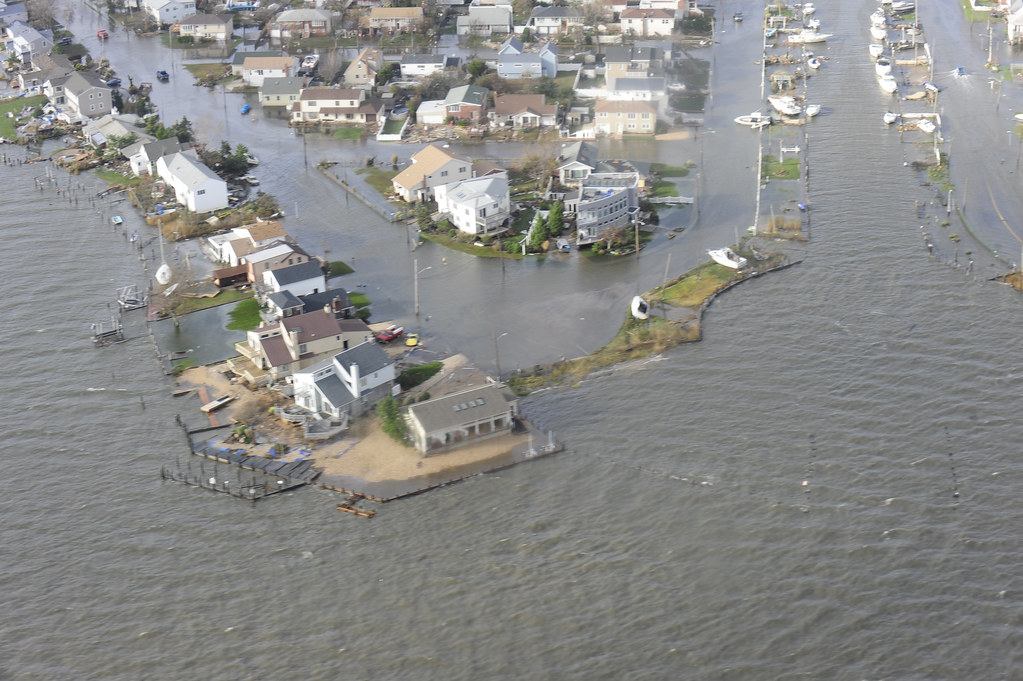
Nassau and Suffolk are not the same
The two counties share an aquifer and a coastline, but the water damage calls they generate differ in ways that change the first steps you should take.
| Nassau County | Suffolk County | |
|---|---|---|
| Wastewater | Mostly public sewers | About 74% of homes on cesspools or septic (Suffolk County) |
| Typical housing | Dense postwar suburbs; older North Shore villages | Postwar to 1980s suburbs; East End second homes |
| Coastal exposure | South Shore bays and canals; North Shore harbors | Great South Bay, Fire Island, the Forks, the Sound |
| Home improvement license | Nassau County Office of Consumer Affairs | Suffolk County Dept. of Labor, Licensing & Consumer Affairs |
If your basement drain backs up in Nassau, the problem is usually the house sewer line or the public main. In much of Suffolk, it is the cesspool. Read more on our Nassau County and Suffolk County pages.
The storms that shaped Long Island’s flood risk
Superstorm Sandy, October 2012
Sandy’s surge flooded the South Shore from Long Beach and Oceanside through Freeport, Baldwin, Lindenhurst, Babylon and Mastic Beach, and it damaged the Bay Park sewage treatment plant in Nassau. Thousands of homes have since been elevated or rebuilt, and flood insurance requirements changed for many owners.
The Islip rainstorm, August 2014
On August 12 to 13, 2014, Islip MacArthur Airport recorded 13.57 inches of rain in 24 hours, the official New York State record according to the National Weather Service. Roads became rivers and basements flooded across central Suffolk, far from the shoreline.
Nor’easters and winter freezes
Every winter brings frozen pipes, ice dams and wind-driven rain. Long Island’s large stock of 1940s to 1960s homes, many with pipes in exterior walls, crawl spaces and over garages, makes January and February the busiest months for burst pipe calls.
What we help with across Long Island
- Flooded basements and sump pump failures
- Burst and frozen pipes, water heater and appliance leaks
- Sewer and cesspool backups
- Coastal and storm flooding
- Ceiling leaks from roofs, ice dams and bathrooms
- Commercial water damage for stores, offices and multifamily buildings
Groundwater, sand and basements
Long Island sits on deep layers of sand and gravel that hold its drinking water aquifer. That sandy soil drains well in most places, which is why many Long Island basements stay dry for years. Near the South Shore bays, around the North Shore harbors and in low spots inland, the water table is much closer to the surface. After weeks of rain or a fast snowmelt, groundwater can rise against foundation walls and come up through the floor-wall joint and cracks.
Groundwater seepage is usually excluded from homeowners insurance, while sump pump overflow is often covered only with a water backup endorsement. Knowing which one happened, and photographing where the water entered, makes a real difference to your claim.
Housing by era
- Prewar villages such as Floral Park, Rockville Centre, Sea Cliff and Port Jefferson: plaster walls, steam or hot-water heat, older roofs prone to ice dams.
- Postwar suburbs such as Levittown, Hicksville, East Meadow and Centereach: capes and ranches expanded many times, aging plumbing, some slab homes with radiant heat.
- 1960s to 1980s developments across western and central Suffolk: high ranches and split-levels with finished lower levels, plus many condo and townhouse communities.
- Elevated and rebuilt homes on the South Shore after Sandy: safer living space, but pipes and storage below the house remain exposed.
Also on the East End
We also take calls from the Hamptons, the North Fork and Shelter Island. Many East End homes are second homes that sit empty for weeks in winter, so a burst pipe can run for days before anyone notices. If you own a seasonal home, keep the heat at 55°F or higher and consider a water sensor or automatic shut-off valve.
Common questions
Water damage on Long Island: common questions
Do you cover all of Long Island?
Calls are accepted from communities across Nassau and Suffolk, from the Queens line to Montauk and Orient. The restoration company that answers serves your area, and it will confirm its availability when you call.
What is the most common type of water damage on Long Island?
Basement water: storm water, groundwater, sump pump failures and drain backups. Burst pipes are the most common cause in winter.
Is my Long Island home in a flood zone?
You can look up your address on FEMA’s Flood Map Service Center. Many homes that flooded in Sandy and in the 2014 Islip storm were outside high-risk zones, so it is worth asking your agent about flood insurance either way.
Who licenses restoration contractors on Long Island?
Contractors doing home improvement work on residential property need a license from the county: the Nassau County Office of Consumer Affairs or the Suffolk County Department of Labor, Licensing and Consumer Affairs. Mold remediation over 10 square feet also requires a New York State mold license.
How fast can someone get to my home?
It depends on your location, the time and current demand, for example during a major storm. Ask the restoration company for an arrival time when you call.
Water damage help anywhere on Long Island
Call (800) 000-0000, 24 hours a day, 7 days a week.