
24/7 emergency water damage help
Water Damage Restoration for Long Island, Westchester & NYC
Burst pipe, flooded basement, sewage backup or water pouring through the ceiling? One call connects you, day or night, with an independent restoration company that serves your town.
- Answered 24 hours, 7 days
- Free to call, no obligation
- Local, independent restoration teams
- Help documenting for insurance
Lines open 24 hours, 7 days
What happens when you call
- 1Tell us your ZIP code and what happened.
- 2You are connected with a restoration company that serves your area.
- 3They confirm when a technician can arrive and talk you through stopping the water.
- 4On site, they inspect, measure moisture and give you their own estimate.
Free to call. You are connected with an independent local company.
Day or night
Calls are answered around the clock, including holidays and storm nights.
Local teams
You are connected with a company that serves your community.
Documented work
Photos and daily moisture readings for your insurance claim.
No obligation
Calling is free. You decide whether to hire after the inspection.
What we help with
Water damage services
Whatever the source, the goal is the same: stop it, dry it properly and document it.
Right now
Four things to do before help arrives
Every minute water sits, more of your home soaks it up. These steps limit the damage.
- 01
Stop the water
Turn off the main valve, usually on the basement wall facing the street, next to the meter. In apartments, call the super.
- 02
Make it safe
Do not walk through water near outlets or appliances. Turn off power at the breaker only from a dry spot.
- 03
Document it
Photograph and video the water, where it came from, and damaged belongings before moving anything.
- 04
Call for drying
Mold can start within 24 to 48 hours. The sooner drying starts, the less has to be torn out.
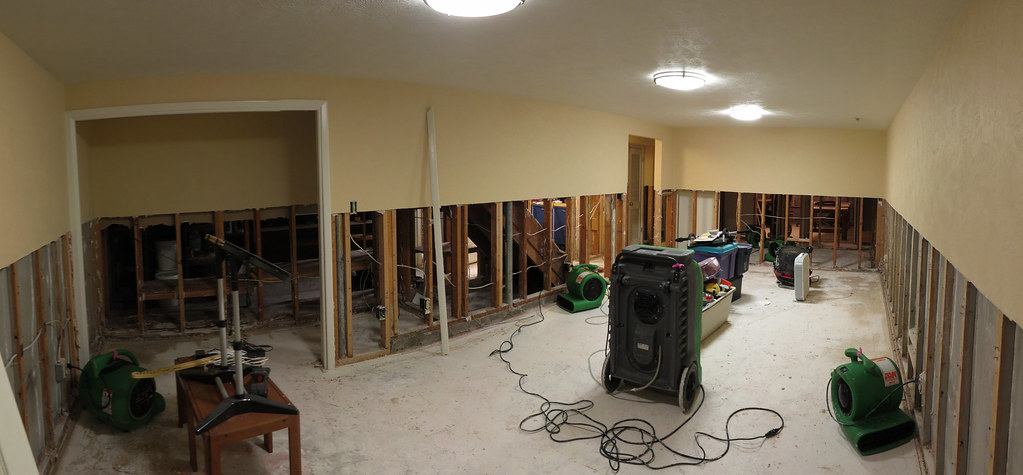
What a good job looks like
Classify the water
Clean, gray or contaminated (IICRC S500 categories 1 to 3). It decides what can be dried and what must go.
Map the moisture
Meters and thermal cameras show how far water travelled, before anything is torn out.
Dry, then verify
Commercial dehumidifiers and air movers run until readings match dry materials in your home.
Document for insurance
Daily readings, photos and an itemized scope your adjuster can follow.
Why it matters
More than mopping up. Done to a measurable standard.
Good water damage work is about what you cannot see: moisture inside walls, under floors and in the framing. Here is what a professional restoration team should do in your home.
- Water in walls and subfloors is invisible without meters
- Drying to a measured standard prevents mold and odor later
- Daily documentation makes insurance claims smoother
Service areas
Local help across Long Island and Westchester
Calls are also accepted from all five New York City boroughs and the lower Hudson Valley.
Water damage here, by the numbers
- of rain fell at Islip in 24 hours in August 2014, the New York State record
- 13.57″
- Levittown homes were built on concrete slabs, many with radiant heat pipes in the slab
- 17,447
- of Suffolk County homes rely on cesspools or septic systems, not sewers
- ≈74%
- is how soon mold can begin to grow on wet materials
- 24–48 hrs
National Weather Service
Levitt & Sons, 1947 to 1951
Suffolk County
U.S. EPA
Close to home
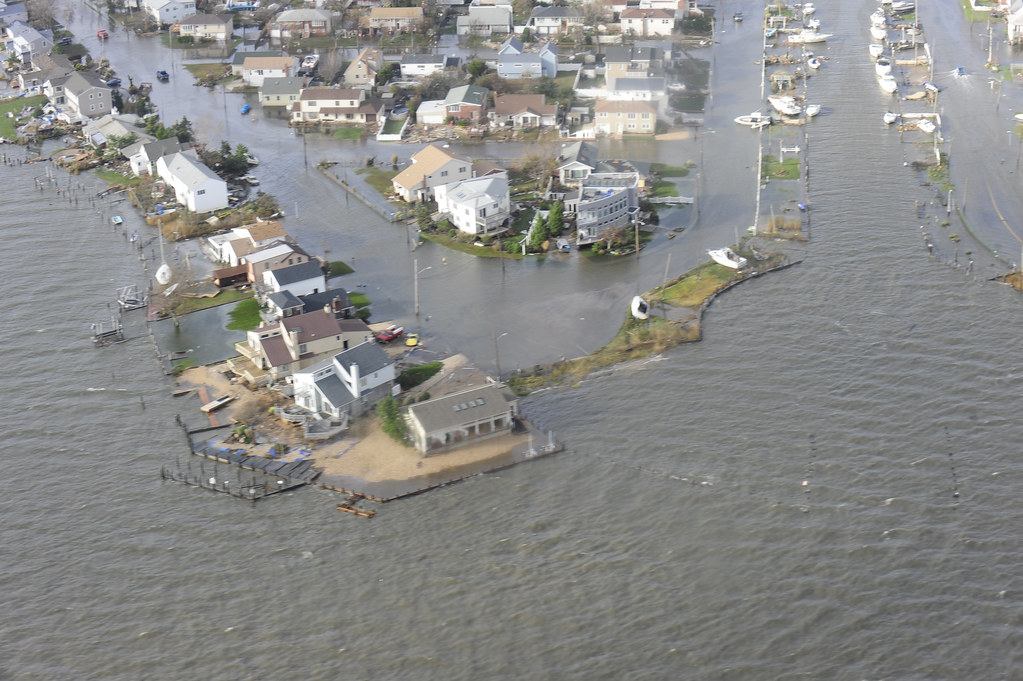
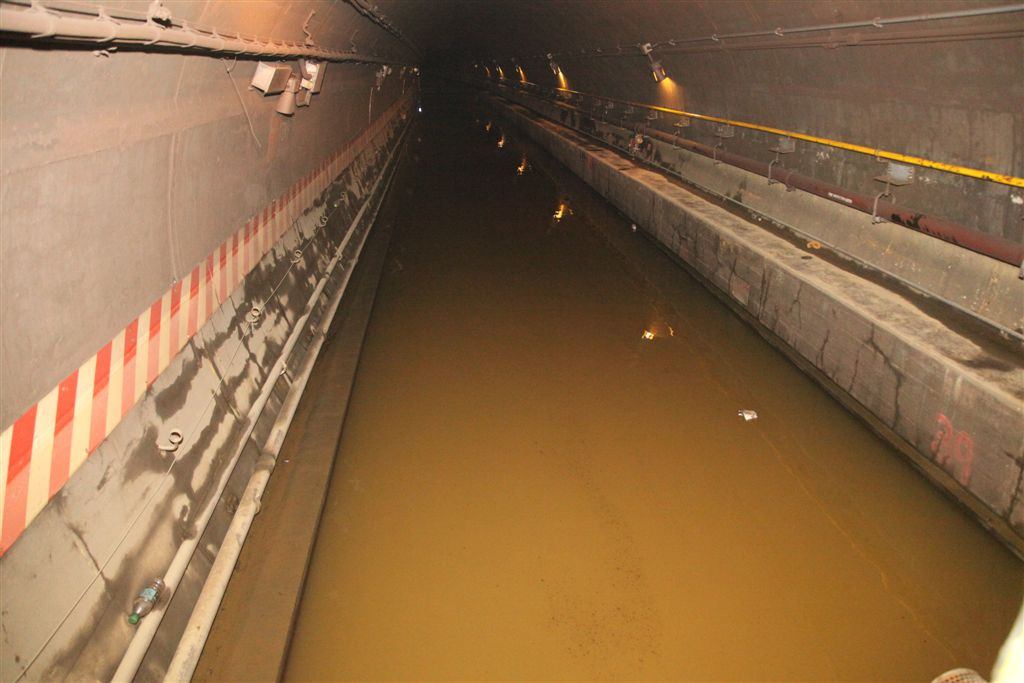
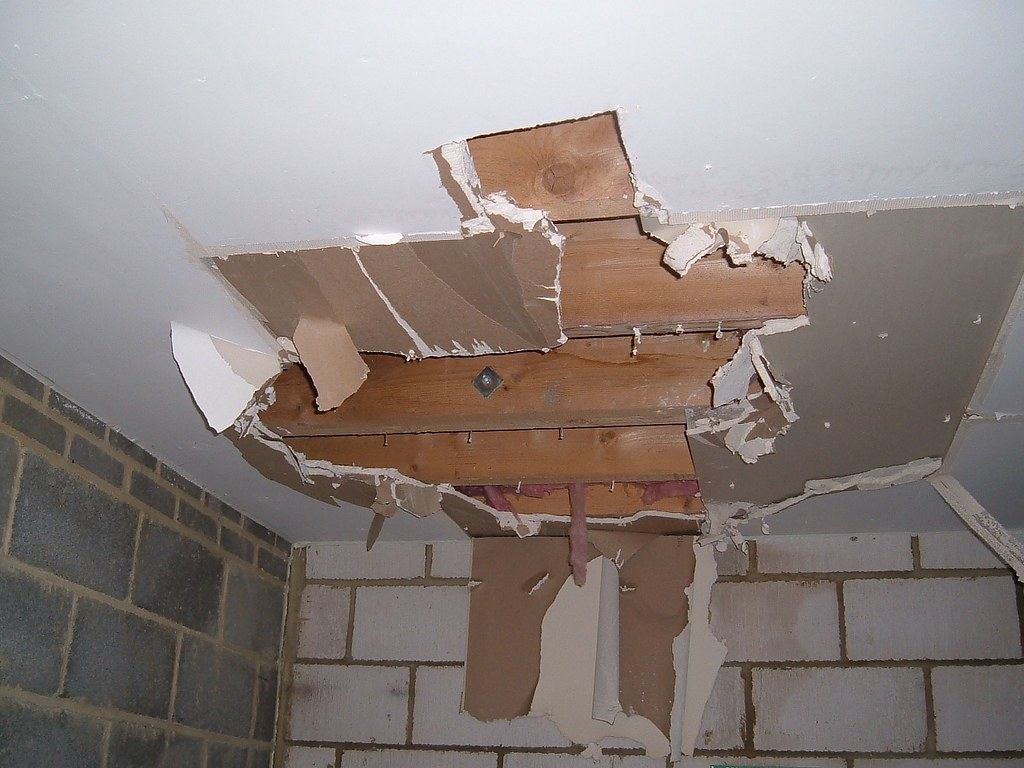
What water damage looks like here
Coastal flooding on Long Island, flooded transit in the city and leaks that come through the ceiling. Real photos, credited to the people who took them.
Not all water damage is the same
The restoration industry classifies water by how contaminated it is, using the IICRC S500 standard. The category is the single biggest factor in what can be dried and saved, and what has to be removed.
| Category | Typical sources | What it means |
|---|---|---|
| 1. Clean water | Burst supply pipe, water heater, sink or tub overflow caught quickly | Most materials can be dried in place if work starts quickly. |
| 2. Gray water | Washing machine or dishwasher discharge, toilet overflow without feces, sump overflow | Some contamination. Carpet pad and some porous materials are usually removed. |
| 3. Black water | Sewage, cesspool backups, floodwater from outside, long-standing water | Contaminated. Porous materials it touched are removed, and surfaces are disinfected. |
Clean water does not stay clean. After a day or two, especially in warm weather or in contact with building materials, Category 1 water can become Category 2 or 3. That is one more reason to start drying quickly.
Why water damage happens here
The New York suburbs have their own water damage patterns, shaped by old housing, basements, coastlines and cold winters.
Basements everywhere
Most homes on Long Island and in Westchester have basements, and many are finished. Groundwater, heavy rain, sump pump failures and drain backups all end up there, and finished walls and floors hide the moisture. See basement flooding.
Old houses and old plumbing
A large share of the region’s homes were built before 1970: prewar homes in Westchester villages and North Shore communities, and postwar capes, ranches and split-levels across Nassau and western Suffolk. Galvanized pipe, aging copper, old boilers and radiators fail most often in the first hard freeze. See burst and frozen pipes.
Coastal storms and river flooding
Sandy’s surge in 2012 flooded the South Shore and the Sound Shore. Ida’s rain in 2021 sent Westchester rivers over their banks, including in the Village of Mamaroneck. See flood and storm damage.
Two very different wastewater systems
Nassau, Westchester and New York City are mostly sewered, while most of Suffolk relies on cesspools and septic systems. A backup in each case has a different cause and a different first call. See sewage backup cleanup.
Apartments, condos and co-ops
In multifamily buildings, the most common call is water coming through the ceiling from the unit above. See ceiling leaks and apartment water damage.
What happens after you call
Emergency call
You describe what happened and your ZIP code, and you are connected with a restoration company that serves your area. Ask when a technician can arrive.
Inspection and moisture mapping
The technician finds the source, classifies the water, and maps moisture with meters and a thermal camera. You get a plan and an estimate before major work begins.
Water removal
Standing water is extracted. Wet materials that cannot be saved, such as carpet pad, swollen particleboard or drywall soaked by contaminated water, are removed.
Drying and dehumidification
Air movers and dehumidifiers run until readings confirm the structure is dry, usually three to five days for clean water. Readings are logged daily.
Cleaning and repairs
Surfaces are cleaned, and disinfected where needed. Repairs, from new drywall to flooring, are scoped and priced separately.
What water damage restoration costs
Every job is different, but these rough ranges help with planning. They reflect New York metro labor costs, which run above national averages. They are not quotes. The restoration company provides its own estimate after inspecting your home.
| Situation | Rough planning range |
|---|---|
| Small clean-water leak, one room, caught quickly | $1,000 to $3,500 |
| Burst pipe affecting a ceiling and room below | $2,500 to $7,500 |
| Finished basement, clean water | $4,000 to $12,000 |
| Sewage or cesspool backup in a basement | $3,000 to $10,000+ |
| Storm or flood damage affecting a whole level | $10,000 to $40,000+ |
Repairs and rebuilding are usually priced separately. Read our full cost guide for what moves the price up or down.
Water damage and insurance in New York
Whether a loss is covered depends mostly on where the water came from. This is a general guide. Your own policy wording decides.
- Usually covered by homeowners insurance: sudden, accidental water from inside, like a burst pipe or failed water heater.
- Usually needs an endorsement: sewer and drain backups and sump pump overflows (a water backup endorsement).
- Needs a separate flood policy: water from outside: storm surge, overflowing rivers and surface flooding. National Flood Insurance Program policies usually have a 30-day waiting period.
- Often excluded or limited: slow leaks over a long period, groundwater seepage and wear and tear.
New York regulations require insurers to acknowledge a claim within 15 business days of notice. Report losses promptly and keep receipts for emergency work. See our step-by-step New York insurance claim guide.
How to choose a restoration company in New York
- Check the home improvement license. Nassau, Suffolk, Westchester, Putnam and Rockland counties each license or register home improvement contractors, and New York City does through the Department of Consumer and Worker Protection. Ask for the number. Orange, Ulster and Dutchess counties have no county license, so check insurance and get a written contract.
- Know the mold law. New York requires a licensed mold assessor to evaluate, and a separate licensed remediation contractor to remove, mold areas larger than 10 square feet. The same company cannot do both on one project.
- Ask for moisture documentation. A professional team records readings daily and shares them with you and your insurer.
- Get it in writing. Sign a work authorization for emergency services and a written estimate or contract for repairs.
- Watch for pressure tactics. Be cautious of anyone demanding large cash deposits, or offering to negotiate your insurance claim. In New York, only licensed public adjusters and attorneys can represent you in a claim.
Homeowners, renters, landlords and property managers
Who calls, and what each should do first, depends on who owns what.
- Homeowners: stop the water, document the damage, call for drying, and report the loss to your insurer.
- Renters: tell your landlord or super in writing right away. Building repairs are generally the landlord’s responsibility under New York law, and your renters policy covers your belongings.
- Co-op and condo owners: notify the managing agent or board. Your proprietary lease or bylaws divide responsibility between you and the building, and your HO-6 policy covers what is yours.
- Landlords and property managers: protect tenants first, notify affected units in writing, and keep a unit-by-unit record of damage and moisture readings for each insurer involved.
Preventing water damage, season by season
Fall
Clean gutters after the leaves drop, extend downspouts away from the foundation, shut and drain outdoor spigots, and test the sump pump.
Winter
Keep the heat at 55°F or higher, including in second homes. Open cabinet doors on exterior walls on the coldest nights. Watch for ice dams and rake snow off the lower roof from the ground.
Spring
Check the basement after snowmelt and long rains, look for new stains on ceilings, and replace rubber washing machine hoses with braided ones.
Summer and hurricane season
Know your flood zone, review your flood and water backup coverage well before a storm, raise valuables off basement floors, and add a battery backup to the sump pump.
Common questions
Water damage questions, answered
Quick answers to what people ask us most.
Who will come to my home?
Water Restoration New York is a referral service. Your call is connected with an independent restoration company that serves your area. That company inspects the damage, gives you its own estimate, and does the work.
Is there a charge to call?
No. Calling is free and there is no obligation. Any charges for inspection or work are set by the restoration company, and it should explain them before starting.
How fast can someone get here?
It depends on your location, the time of day, and demand during storms. Ask the restoration company for an arrival time when you are connected.
What should I do while I wait?
Shut off the water, cut power to wet areas if you can do so safely from a dry spot, move belongings out of the water, and take photos and video of everything before cleanup.
Will my insurance cover it?
Sudden water from inside the home, like a burst pipe, is commonly covered. Sewer backups usually need an endorsement, and flooding from outside needs a flood policy. Check your own policy and call your insurer.
Do I have to use the company my insurer recommends?
Generally, no. You can choose your own contractor. Your insurer may have preferred vendors, and using one can simplify billing, but the choice is yours.
How long does drying take?
Most clean-water jobs take three to five days of drying once water is removed. Basements, hardwood floors and plaster can take longer. The equipment should come out when moisture readings say the materials are dry.
Can mold grow after water damage?
Yes, within 24 to 48 hours on wet materials. Drying quickly is the best prevention. If mold larger than 10 square feet is found, New York requires a licensed assessor and a separate licensed remediator.
Do you serve New York City?
Yes. Calls are accepted from Queens, Brooklyn, Manhattan, the Bronx and Staten Island, as well as Long Island, Westchester and the Hudson Valley. See our New York City page.
Do you handle commercial properties?
Yes. Offices, stores, restaurants and multifamily buildings can call for commercial water damage help.
Water damage does not wait. Neither should you.
Call (800) 000-0000 any time, day or night, to reach a local restoration team.