
Offices · retail · restaurants · multifamily
Commercial Water Damage Restoration
For a business, water damage is a downtime problem as much as a property problem. Every day a store, office, medical practice or restaurant is closed costs revenue, and in multifamily buildings, tenants need answers right away.
Call now if
- A sprinkler line, riser or roof drain has failed
- Water is affecting several units or tenants
- A store, office or restaurant cannot open
- Flooding reached a basement, garage or mechanical room
Answered 24/7 · free to call
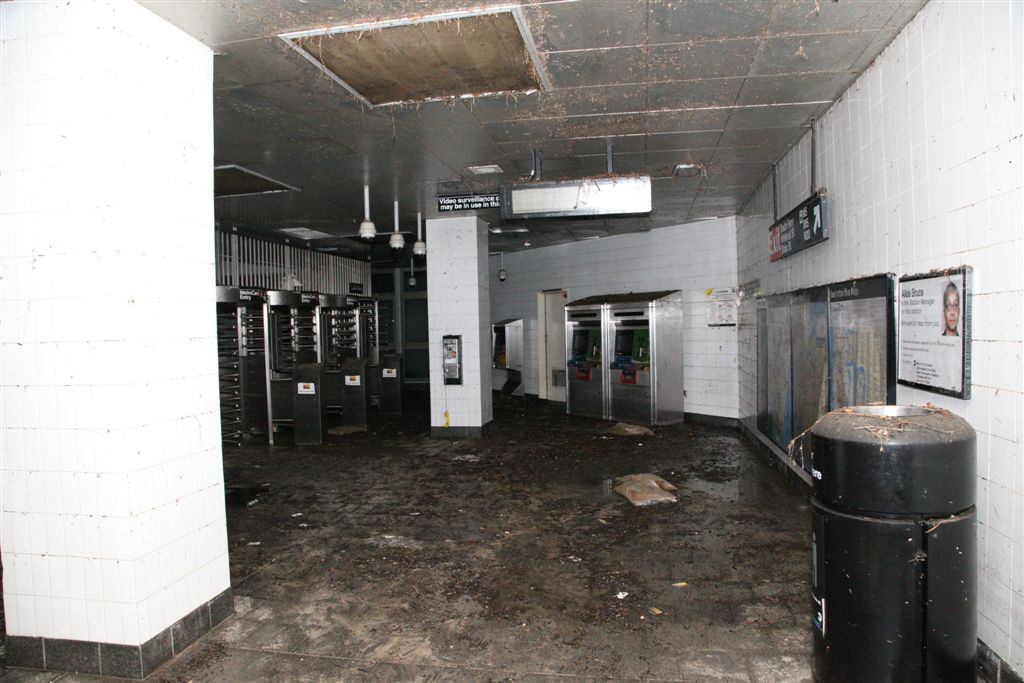
Commercial jobs also differ from homes in scale and coordination: sprinkler systems, building management, tenants, insurers and sometimes landlords all need to be in the loop.
Common commercial water losses
- Fire sprinkler failures, often from freezing in unheated stairwells, loading docks or ceiling spaces.
- Roof and roof drain leaks on flat commercial roofs after heavy rain or snowmelt.
- Riser and supply-line failures in mixed-use and apartment buildings.
- Restaurant drains and grease backups, which are contaminated and need to be cleaned and disinfected.
- Below-grade flooding in basements, parking garages and mechanical rooms during storms.
What a commercial response looks like
Make the building safe
Shut down the source, including sprinkler zones in coordination with the fire alarm company, and make electrical systems safe.
Scope and plan
A project lead walks the site with management, maps affected areas, and agrees on priorities, such as reopening a sales floor or protecting server rooms.
Contain and extract
Affected areas are contained to keep the rest of the building open where possible, and water is extracted.
Dry with the right equipment
Large spaces may need desiccant dehumidifiers or temporary power. Drying can often run after hours to limit disruption.
Document for the claim
Daily moisture logs, photos and equipment records support the property claim and any business interruption claim.
Planning ahead pays off
Many restoration companies offer free pre-loss planning for commercial properties: a walk-through that records shut-off locations, sprinkler zones, emergency contacts and priority areas. If you manage buildings on Long Island or in Westchester, it is worth setting up before you need it.
- Label main water and sprinkler shut-offs and make sure staff can reach them.
- Keep heat on in stairwells, vestibules and loading areas where sprinkler pipes run.
- Clear roof drains and scuppers before winter and after leaf fall.
- Know your insurance: property, business interruption and any tenant obligations under leases.
Property types we take calls from
Retail and shopping centers
From Main Street storefronts in Westchester villages to the large retail corridors along Old Country Road, Hempstead Turnpike and Route 110, stores lose sales every hour they are closed. Water on a sales floor also damages stock and fixtures, so inventory needs to be photographed and listed before it is moved or discarded.
Offices and medical practices
Office parks and medical buildings have raised floors, drop ceilings, server rooms and sensitive equipment. Water above a drop ceiling can travel a long way before it shows. Medical and dental offices also need extra care around patient areas and records.
Restaurants and food service
Kitchens see floor drain and grease trap backups, ice machine and dishwasher leaks, and walk-in cooler failures. Contaminated water near food prep areas must be cleaned and disinfected before reopening, and your local health department may need to be involved.
Schools, houses of worship and community buildings
Large, older buildings with boilers, long pipe runs and big roofs are prone to winter freeze-ups and roof drain leaks, often discovered on Monday morning after a cold weekend.
Documentation for commercial claims
Commercial claims often involve more than one policy: the building owner’s property insurance, the tenant’s own coverage for contents and improvements, and business income coverage. A clear record from day one makes each of those easier.
- Photos and video of every affected area before work starts, with time stamps.
- A floor plan showing affected rooms, with daily moisture readings for each.
- An equipment log: what ran where, and for how many days.
- A list of damaged inventory and equipment with model and serial numbers where possible.
- Records of the time the business was closed or partly closed, and any extra expenses to stay open.
Multifamily buildings
In apartment, co-op and condo buildings, one leak can affect several units at once. A good response team keeps a unit-by-unit log of readings, damage and access. That record makes it far easier for the building, owners and insurers to sort out who is responsible for what.
Residents in affected units should report to their own insurers as well. See ceiling leaks and apartment water damage for how that usually works.
Where we help
Calls are answered for homes and businesses across Long Island, Westchester, New York City and the Hudson Valley.
Common questions
Commercial water damage: common questions
Can drying happen while we stay open?
Often, yes. Affected areas can be contained, and drying can be scheduled after hours. It depends on how much of the space is affected and whether the water was contaminated.
Does business interruption insurance cover a water loss?
Many commercial policies include business income coverage for covered property losses, often after a waiting period. The details vary widely. Talk to your broker as soon as possible and keep records of lost income and extra expenses.
Who should we call first when a sprinkler pipe bursts?
Shut the zone valve if staff are trained to do so, then call your fire alarm or sprinkler company and building management. Then call for water extraction. The fire department may also need to be notified if the system is out of service.
What about tenants’ belongings?
Tenants’ personal property is usually covered by their own insurance, not the building’s. Notify tenants promptly in writing and advise them to report to their insurers.
Do you handle restaurant and medical spaces?
Commercial restoration teams regularly work in food service and healthcare settings. Contaminated water, food safety and patient areas need extra precautions. Mention the type of space when you call.
Related
Related services
Need commercial water damage help now?
Call (800) 000-0000. Answered 24 hours a day, 7 days a week.