
Coastal flooding · flash floods · storm damage
Flood & Storm Damage Restoration
Long Island and Westchester have been through some of the most damaging storms in the region’s history: Superstorm Sandy’s surge in October 2012, the record Islip rainstorm in August 2014, and the remnants of Hurricane Ida in September 2021. Each one flooded thousands of homes, many of them outside the areas people thought of as flood zones.
Call now if
- Water came in from outside: doors, window wells, garage
- Tidal or storm surge flooding reached the house
- A nearby river, creek or canal overflowed
- Wind or a fallen tree opened the roof or a wall
Answered 24/7 · free to call
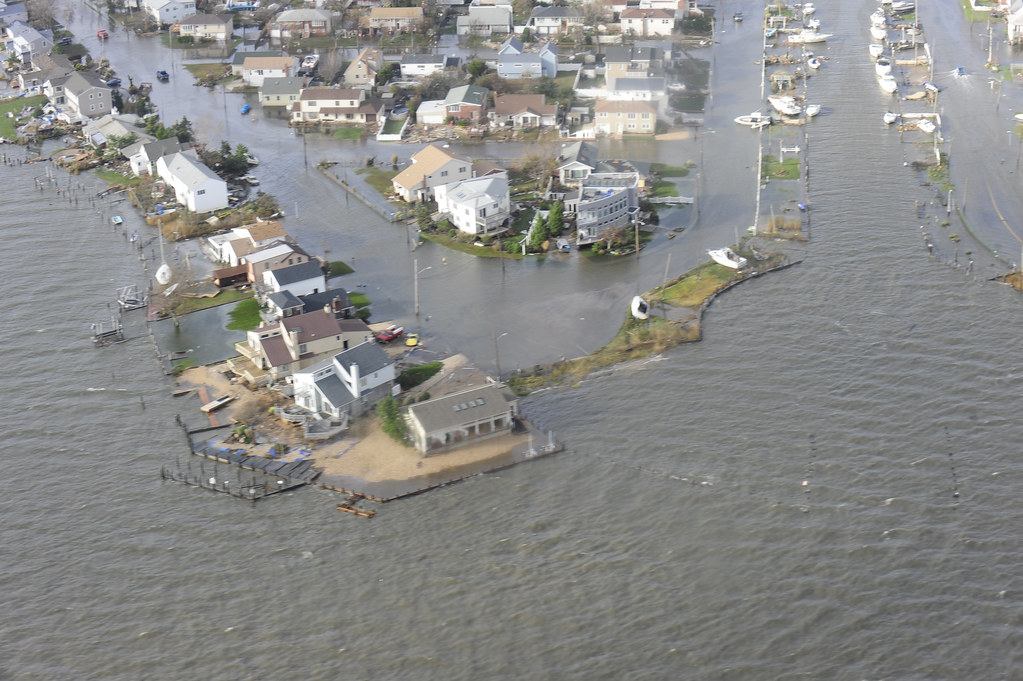
Floodwater from outside is treated as contaminated, and it is covered differently from other water damage. Both of those facts change how the cleanup should be done.
Safety first after a flood
- Do not go back in until officials say it is safe, especially after coastal surge flooding.
- Do not enter standing water if the power is on. Have the utility disconnect power if the panel or outlets were flooded.
- Floodwater can carry sewage, fuel oil and chemicals. Wear waterproof boots and gloves, and keep children out.
- If you smell gas, leave and call the gas utility from outside.
- Watch for structural damage: sagging ceilings, shifted foundations and undermined steps.
Local flood risks
South Shore surge and tidal flooding
The South Shore of Nassau and Suffolk sits behind barrier islands, with bays, canals and low-lying neighborhoods. During Sandy, storm surge pushed into communities such as Long Beach, Oceanside, Freeport, Baldwin, Lindenhurst and Babylon. Many homes have since been elevated, but streets near canals still flood at very high tides and during nor’easters.
Westchester rivers and the Sound Shore
Westchester flooding often comes from rivers and brooks that rise fast in heavy rain: the Mamaroneck and Sheldrake rivers, the Bronx, Saw Mill and Hutchinson rivers, Blind Brook and the Byram. Sound Shore communities also face coastal flooding in storms. In Ida, parts of the Village of Mamaroneck flooded where the Mamaroneck and Sheldrake rivers meet.
Flash flooding anywhere
Intense rain floods basements and low streets far from any shoreline when storm drains cannot keep up. The August 2014 storm that set the state rainfall record at Islip flooded homes across central Suffolk, well inland.
How flood cleanup is done
Document before you clean
Photograph and video every room, the high-water line on walls, and damaged items before anything is removed. For a flood policy, also note the date and time the water entered.
Water and mud removal
Water is pumped out and mud and debris are shoveled and washed out. Deep water in basements is pumped down gradually to protect foundation walls.
Flood cut
Because floodwater is contaminated, drywall and insulation are typically cut out to at least 12 to 24 inches above the water line.
Clean and disinfect
Framing, concrete and salvageable surfaces are washed and disinfected.
Dry thoroughly
Framing must be dried to normal moisture content before walls are closed up. Closing walls too early traps moisture and leads to mold.
Temporary protection
Wind and tree damage are tarped or boarded up so rain does not keep getting in.
Flood insurance basics in New York
Standard homeowners policies do not cover flooding from outside. Flood coverage comes from a separate flood policy, usually through the National Flood Insurance Program (NFIP) or a private flood insurer. NFIP policies generally have a 30-day waiting period before coverage starts, so they cannot be bought once a storm is on the way.
NFIP building coverage has limits on what it pays for in basements. Finished walls, floors and most contents in a basement are generally not covered, while items like furnaces, water heaters and electrical panels generally are. Wind damage, like a tree through the roof, is normally a homeowners claim, not a flood claim.
New York’s Department of Financial Services has stated that the state’s fair claims rules apply to insurers writing NFIP policies in New York, too. If you are stuck in a dispute, the DFS consumer pages explain your options.
Avoid post-storm scams
- Be cautious with contractors who knock on doors after a storm, demand large cash deposits, or ask you to sign over your insurance benefits on the spot.
- Check the contractor’s home improvement license with your county (Nassau, Suffolk or Westchester) or, in New York City, the Department of Consumer and Worker Protection.
- Get a written estimate and contract before work beyond emergency services begins.
- Remember that a contractor cannot negotiate your claim on your behalf unless licensed to do so. In New York, that is the job of a licensed public adjuster or an attorney.
Where we help
Calls are answered for homes and businesses across Long Island, Westchester, New York City and the Hudson Valley.
Common questions
Flood & storm damage: common questions
Is flood damage covered by my homeowners insurance?
Generally no. Flooding from outside, including storm surge and overflowing rivers, is excluded from standard homeowners policies. It is covered by a separate flood policy. Wind damage, like a tree on the roof, is usually covered by homeowners insurance.
How high do they cut the drywall after a flood?
A common practice is to cut 12 to 24 inches above the highest water line, because water wicks up drywall and insulation. The exact height depends on moisture readings and the water category.
Can I stay in my home after a flood?
Not until the electrical system, gas and structure are confirmed safe. Even then, living areas that were flooded should not be used until they are cleaned and dried.
How long before I can rebuild?
Framing and concrete need to be dried to normal moisture levels first. That usually takes several days to two weeks after the mud-out, depending on how deep and how long the water stood.
Should I hire a public adjuster?
For large flood or storm losses, some homeowners do. New York licenses public adjusters through the Department of Financial Services. They work for you and charge a percentage of the settlement, so ask about the fee in writing first.
What can I do to prepare before hurricane season?
Know your flood zone, buy flood insurance well in advance, photograph your belongings, raise valuables off basement floors, keep sump pumps and backups tested, and keep important papers in a waterproof container.
Related
Related services
Need flood & storm damage help now?
Call (800) 000-0000. Answered 24 hours a day, 7 days a week.