
Burst pipes · frozen pipes · failed supply lines
Burst & Frozen Pipe Water Damage Help, Day or Night
A burst pipe can release hundreds of gallons in an hour. In the New York area most burst pipes happen in the coldest week of winter, often in a spot that is easy to forget: an exterior wall in a kitchen, a crawl space, a garage ceiling under a bedroom, or a sprinkler line in an unheated room.
Call now if
- Water is spraying or pouring from a pipe or ceiling
- No water comes out of a faucet on a very cold day
- You hear water running with every tap off
- Your water bill or meter shows usage you cannot explain
Answered 24/7 · free to call
If water is running right now, shut off the main valve first. The steps below take less than a minute once you know where to look.
Shut the water off: where the main valve usually is
In most Long Island and Westchester homes with a basement, the main shut-off is on the basement wall that faces the street, where the water line comes through the foundation, right next to the water meter. Turn the handle clockwise until it stops. A lever-style valve is closed when the handle sits across the pipe.
In slab homes and many split-levels, look in a utility closet, the garage, or near the water heater. In apartments and condos, there is often a shut-off under each sink and toilet, and the building super or managing agent can shut off the riser.
- If the valve will not turn or is leaking, call your water provider (the number is on your water bill). They can shut off the curb valve outside.
- If water is near outlets, a panel or baseboard heaters, turn off power at the breaker if you can do so from a dry spot.
- Open a faucet at the lowest point in the house to drain the pipes once the main is off.
- Take photos and video before you move anything, then move valuables out of the water.
Why pipes burst here
Freeze-ups in exterior walls and unheated spaces
Pipes do not usually split where the ice forms. Ice blocks the pipe, pressure builds between the blockage and a closed faucet, and the pipe splits there. That is why the leak often appears when the pipe thaws, sometimes days after the cold snap. Kitchen sink lines on outside walls, pipes over garages, and pipes in crawl spaces and three-season rooms are the usual suspects.
Older homes and aging plumbing
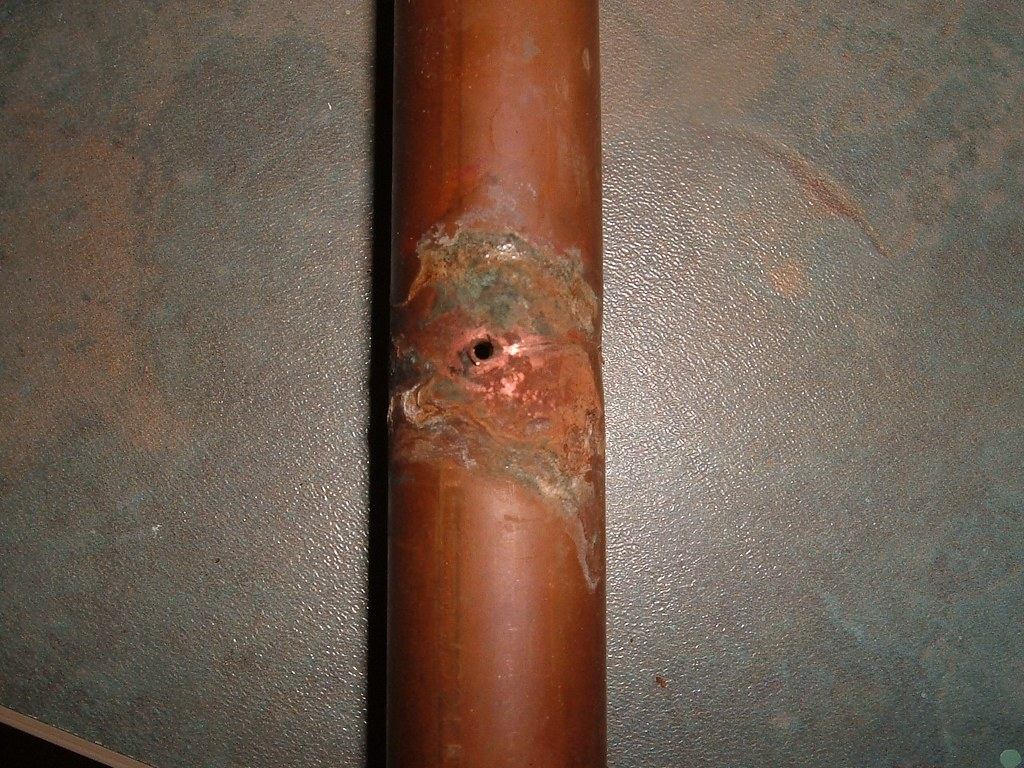
Much of the housing in Westchester and on Long Island was built before 1970. Galvanized steel pipe corrodes from the inside, and older copper can develop pinhole leaks. Old boilers and radiator valves in steam- and hot-water-heated homes also fail. A failure is more likely when an old system is pushed hard during a cold week.
Supply lines and water heaters
Braided washing machine hoses, toilet and sink supply lines, refrigerator ice-maker lines and water heaters fail year-round. A water heater in a finished basement can release its full tank and keep refilling until the cold-water line to it is shut off.
Second homes and vacant houses
A pipe that bursts in an empty house can run for days. East End second homes, homes between owners, and houses where an older owner has moved to care are at the highest risk. Water flow sensors and automatic shut-off valves are worth considering for any home that sits empty in winter.
What happens after the water is off
Plumbing repair
A plumber repairs the failed section. Some restoration companies have plumbing partners; others will tell you to call your own.
Extraction and moisture mapping
Water is extracted, and moisture meters show how far it spread inside walls, ceilings and floors. Water from a second floor almost always reaches the ceiling and walls below.
Controlled removal
Wet ceiling drywall, insulation and pad that cannot be dried are removed. Ceilings that sag or hold water are opened in a controlled way so they do not come down on someone.
Drying and documentation
Dehumidifiers and air movers run until readings confirm the materials are dry, and the readings are logged for your insurer.
Keep the failed piece of pipe or the burst hose if you can. Insurers sometimes want to see it, and it can matter if a product defect caused the failure.
Is a burst pipe covered by insurance?
Sudden and accidental water from a burst pipe is commonly covered by New York homeowners policies, subject to your deductible. Damage from a slow, long-term leak, or from a freeze in a home that was not reasonably heated, may be limited or excluded. Policies differ, so check your own policy wording.
New York regulations generally require an insurer to acknowledge a claim within 15 business days of being notified. Report the loss promptly, document everything, and keep receipts for emergency work. Our insurance claim guide walks through it.
How to prevent the next one
- Keep heat at 55°F or higher when you are away in winter, including in second homes.
- On the coldest nights, open cabinet doors on exterior walls and let a cold faucet drip.
- Disconnect hoses and shut and drain the inside valves to outdoor spigots before the first freeze.
- Insulate pipes in crawl spaces, garages and unheated porches.
- Replace rubber washing machine hoses with braided ones every five years or so.
- Know where your main shut-off is and make sure it turns. Test it once a year.
Where we help
Calls are answered for homes and businesses across Long Island, Westchester, New York City and the Hudson Valley.
Common questions
Burst & frozen pipes: common questions
A pipe froze but has not burst. What should I do?
Shut off the water to that line or the main, open the faucet it feeds, and warm the pipe gently with a hair dryer or space heater kept at a safe distance. Never use an open flame. If you cannot reach the frozen section, call a plumber. Have towels and a bucket ready, because a split often shows up only as the ice melts.
The ceiling below the bathroom is bulging. Is that dangerous?
Yes. A sagging ceiling can hold a lot of water and can come down suddenly. Keep people and pets out of the room, turn off ceiling lights and fans in that room at the breaker, and put a bucket under the lowest point. A restoration technician can release the water in a controlled way.
How fast does a restoration team need to arrive?
The faster drying starts, the less material needs to be removed. Mold can begin growing within 24 to 48 hours. When you call, ask the company directly when a technician can be at your home.
Who pays if a pipe in my co-op or condo building burst?
It depends on where the pipe was, your proprietary lease or condo bylaws, and the insurance carried by the building and by you. Notify the managing agent right away and report the loss to your own insurer. Our ceiling leak page explains how these cases usually work.
Can a restoration company also fix the pipe?
Some have licensed plumbers on staff or work with plumbing partners. Others focus only on the water damage. Ask when you call so you know whether you also need a plumber.
Does my water provider charge me for the water that leaked?
Usually the water passes through your meter, so it is billed. Some providers have leak adjustment policies. Call the number on your bill after the repair and ask.
Related
Related services
Need burst & frozen pipes help now?
Call (800) 000-0000. Answered 24 hours a day, 7 days a week.