
Queens · Brooklyn · Manhattan · the Bronx · Staten Island
Water Damage Restoration in New York City
Water damage in New York City rarely stays in one home. Apartments sit on top of each other, rowhouses share walls, and basements flood when a cloudburst overwhelms sewers built more than a century ago. Who repairs what depends on whether you own, rent, or hold shares in a co-op, and the first call is often to the super, not a plumber.
One call connects you with an independent restoration company that serves your borough, any hour of the day.
New York City at a glance
- Boroughs covered
- All five: Queens, Brooklyn, Manhattan, the Bronx, Staten Island
- Contractor licensing
- NYC Dept. of Consumer and Worker Protection
- Sewer and water emergencies
- Call 311 (DEP)
Answered 24/7 · free to call
By borough
Find help in your part of New York City
Queens
All Queens neighborhoodsBrooklyn
All Brooklyn ZIP codesManhattan
All Manhattan ZIP codesThe Bronx
All The Bronx ZIP codes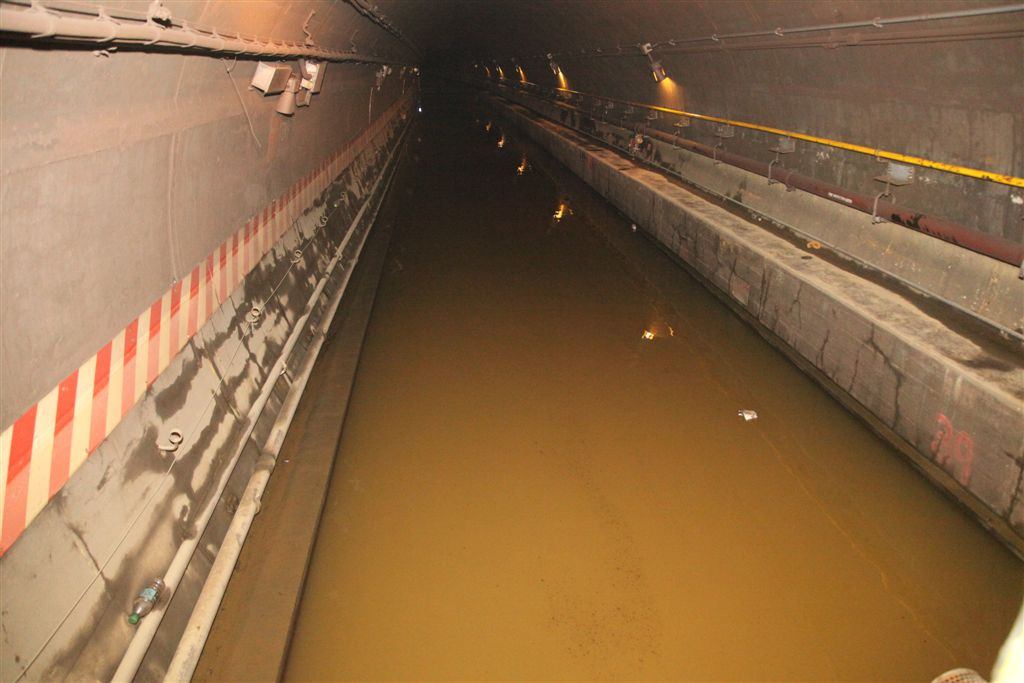
What makes New York City water damage different
Water moves between homes
A failed supply line on the 12th floor can damage every apartment below it. In rowhouses and two-family homes, water follows shared walls next door. Building staff need to shut the riser or zone valve quickly, and several insurers, the building’s and each resident’s, may be involved.
Combined sewers and cloudbursts
Most of the city is served by combined sewers that carry both stormwater and wastewater. In intense rain they fill and back up into the lowest drains in a building, which are in basements and cellars. On September 1, 2021, the remnants of Hurricane Ida dropped 3.15 inches of rain on Central Park in one hour, and 11 of the city’s 13 flood deaths were people trapped in basements.
Coastal surge
Superstorm Sandy in October 2012 flooded the Rockaways, Howard Beach, Coney Island, Red Hook and Lower Manhattan, among many other areas, and killed 24 people on Staten Island’s East Shore. The city has more than 500 miles of shoreline, and large parts of all five boroughs sit in FEMA flood zones.
Who to call first
| Situation | First call |
|---|---|
| Leak from the apartment above or a burst riser | The super or managing agent, to shut off the source |
| Your own house’s main valve fails | 311 for DEP to shut the curb valve |
| Sewage backing up from the street or affecting neighbors | 311 to report it to DEP |
| Backup affecting only your building | A licensed plumber (the house sewer line is the owner’s responsibility) |
| Landlord not fixing a leak or mold | 311 for an HPD complaint, after written notice to the landlord |
| Water near electrical equipment | Con Edison or your utility, and stay out of the water |
Then call a restoration company to extract the water and dry the structure. See ceiling and apartment leaks and sewage backup cleanup.
Owners, renters, co-ops and condos
- Renters: the landlord repairs the building; renters insurance covers your belongings. Report leaks in writing. See our landlord and tenant guide.
- Co-op shareholders: the proprietary lease and house rules decide whether the co-op or the shareholder repairs a given pipe, wall or finish. Carry an HO-6 policy.
- Condo owners: the declaration and bylaws split responsibility between the unit and the common elements, and the condo board’s master policy covers part of the building.
- Homeowners: in one- to four-family houses, you are responsible for your plumbing and your sewer connection out to the city main.
Basement apartments
Tens of thousands of New Yorkers live in basement and cellar units, many in Queens and Brooklyn. They are the homes most at risk in a flash flood. Sign up for Notify NYC, know your way out, and leave early when a flash flood warning is issued. Our basement apartment flooding guide covers safety, cleanup and who pays.
Hiring a restoration company in New York City
- Home improvement work on residential property in the city requires a home improvement contractor license from the Department of Consumer and Worker Protection. Ask for the number and look it up.
- Many co-op and condo buildings require the contractor’s certificate of insurance before work starts. Ask the managing agent what they need.
- Get a written work authorization for emergency work and a written estimate for repairs.
- For mold over 10 square feet, New York State requires a licensed assessor and a separate licensed remediator.
Common questions
Water damage in New York City: common questions
Which parts of New York City do you cover?
Calls are accepted from all five boroughs: Queens, Brooklyn, Manhattan, the Bronx and Staten Island, with local pages for many Queens neighborhoods. The restoration company that answers confirms availability for your address.
Water is coming through my ceiling from the apartment above. What do I do?
Move belongings, put down containers, turn off power to any wet light fixture, and get the super or neighbor to stop the source. Photograph the damage, then notify your landlord or managing agent in writing and your own insurer.
Does my landlord have to fix water damage in my apartment?
Yes. New York’s warranty of habitability requires landlords to keep apartments fit to live in, and city law requires owners of buildings with three or more units to fix mold and its causes. If repairs are not made, you can file a complaint through 311.
Who licenses water damage contractors in New York City?
Contractors doing home improvement work on residential property need a home improvement contractor license from the NYC Department of Consumer and Worker Protection. Mold remediation over 10 square feet also needs a New York State mold license.
Can a restoration company work in my co-op building at night?
Emergency water extraction is usually allowed at any hour. Many buildings limit non-emergency work to weekday hours and require a certificate of insurance first. Check with the managing agent.
Water damage help anywhere in New York City
Call (800) 000-0000, 24 hours a day, 7 days a week.