
Guide · renting
Water Damage in a New York Rental: Landlord vs. Tenant
When water damages a rental, three questions come up right away: who fixes it, who pays for it, and whose insurance applies. The short version in New York is that the landlord is generally responsible for the building and the tenant is responsible for their own belongings, but the cause of the damage and the lease can change that.
This is general information, not legal advice. For a dispute, contact a tenant or landlord organization, legal aid, or an attorney.
Updated October 2026 · Water Restoration New York
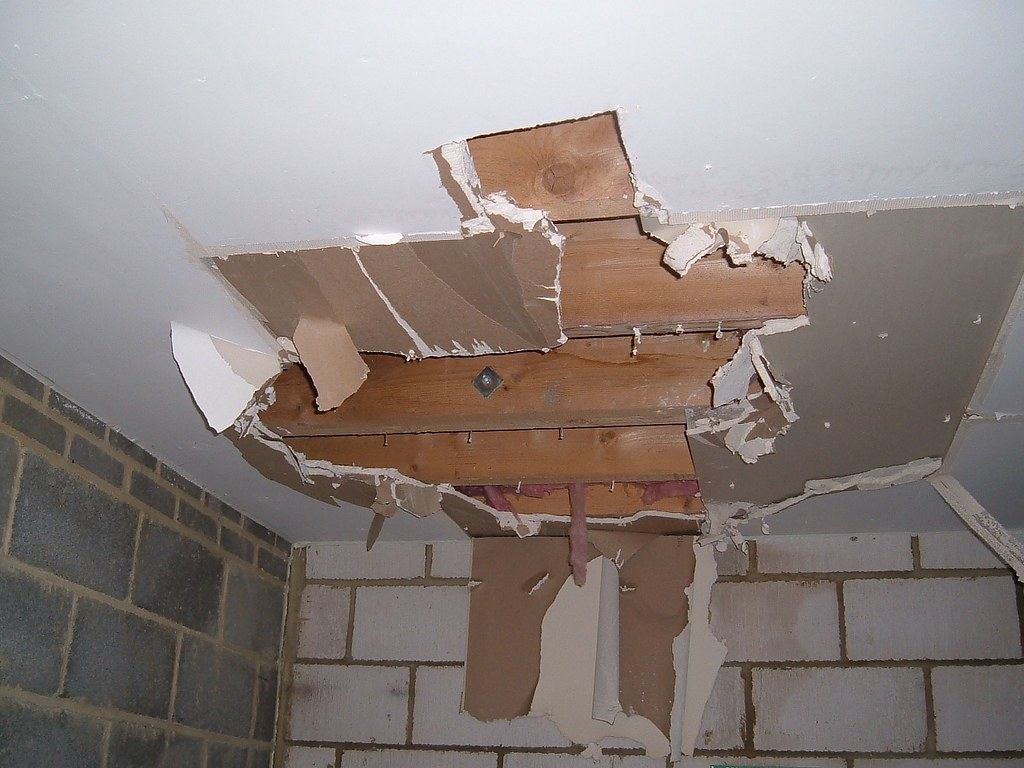
The landlord’s repair duty
Every residential lease in New York includes a warranty of habitability under Real Property Law § 235-b. The landlord must keep the apartment and the building fit to live in and free of conditions dangerous to health and safety. Leaks, flooding, sewage backups and the mold that follows them all fall under that duty.
In practice, that means the landlord (or the building owner in a co-op or condo rental) must stop the source, dry and repair the structure, and fix building systems such as plumbing, electrical and heat.
Who pays for what
| Damage | Usually paid by |
|---|---|
| Building structure, walls, floors, ceilings, plumbing | Landlord, through their property insurance |
| Tenant furniture, clothing, electronics, food | Tenant, through renters insurance |
| Hotel or temporary housing for the tenant | Tenant’s renters insurance (loss of use), if covered |
| Damage caused by the tenant’s negligence, such as an overflowing tub | Tenant may be liable; renters liability coverage may apply |
| Damage from a neighbor’s unit | Often the responsible party’s insurer; each side’s insurer may pay first |
The landlord’s insurance generally does not cover a tenant’s belongings, even if the building caused the damage. That surprises many tenants after a loss.
What tenants should do first
Stay safe
Stay away from water near outlets and appliances, and do not stand under a sagging ceiling.
Limit the damage
Move belongings out of the water, put containers under drips and, if you can do it safely, shut the water valve under a leaking fixture.
Notify the landlord in writing
Call the super or landlord, then follow up in writing by text or email the same day. Keep copies. Written notice is important if the problem is not fixed.
Document everything
Take photos and video of the damage and your belongings, with dates.
Call your renters insurer
Report the loss and ask about coverage for belongings and temporary housing.
What landlords should do first
Stop the water
Shut off the fixture, riser or main, and get a plumber to fix the source.
Start drying within a day
Have a restoration company extract water and dry the structure to prevent mold and further damage. See ceiling and apartment leaks.
Check units above and below
In multifamily buildings, water travels. Inspect neighboring units and common areas.
Notify your insurer
Report promptly and keep records of drying and repairs.
Communicate with tenants
Give them a timeline, arrange access in writing, and document the condition of the unit before and after repairs.
If repairs are not made
- In New York City, tenants can report conditions to 311, which refers housing complaints to the Department of Housing Preservation and Development (HPD) for inspection. Owners of buildings with three or more units also must fix mold and its causes under Local Law 55 of 2018.
- Outside New York City, contact the code enforcement or building department of your city, town or village.
- Rent: tenants may be entitled to a reduction (abatement) when a unit is not habitable, and courts can order repairs. Get advice before withholding rent, because doing it wrong can lead to eviction proceedings.
- Retaliation: New York law protects tenants from retaliation for good-faith complaints about conditions.
Co-ops and condos
In co-ops and condos, responsibility is split between the building and the individual owner, and the proprietary lease, bylaws or declaration decide who handles what. If you rent from a unit owner, your landlord is that owner, who then works with the building. Unit owners should carry an HO-6 policy for their interior improvements and liability.
Common questions
Related questions
Is my landlord responsible for my damaged belongings?
Usually not, unless the landlord’s negligence caused the damage, for example by ignoring a reported leak for weeks. Belongings are what renters insurance is for.
Can my landlord enter my apartment to fix water damage?
Yes, with reasonable notice for repairs, and immediately in an emergency such as an active leak. Ask for access arrangements in writing.
The leak came from the apartment above. Who pays?
The landlord is still responsible for repairing your unit. If the upstairs tenant caused it, the landlord’s insurer may seek payment from that tenant’s insurer. Your renters insurance covers your belongings and may also pursue the responsible party.
Do I need renters insurance if my landlord has insurance?
Yes, if you want your belongings and temporary housing covered. The landlord’s policy covers the building, not your possessions. Renters insurance is usually inexpensive.
Need hands-on help?
Call (800) 000-0000 to reach a local restoration team, any time.