
Guide · New York City
Basement Apartment Flooding in New York City
Tens of thousands of New York City households live in basement and cellar apartments, many of them in Queens, Brooklyn and the Bronx. They are also the homes most at risk when a cloudburst overwhelms the sewers. On September 1, 2021, the remnants of Hurricane Ida dropped 3.15 inches of rain on Central Park in a single hour. New York City reported 13 deaths from the flooding, 11 of them people trapped in flooded basements.
This guide covers how to stay safe, what to do after water gets in, and who is responsible for what. It is general information, not legal advice.
Updated October 2026 · Water Restoration New York
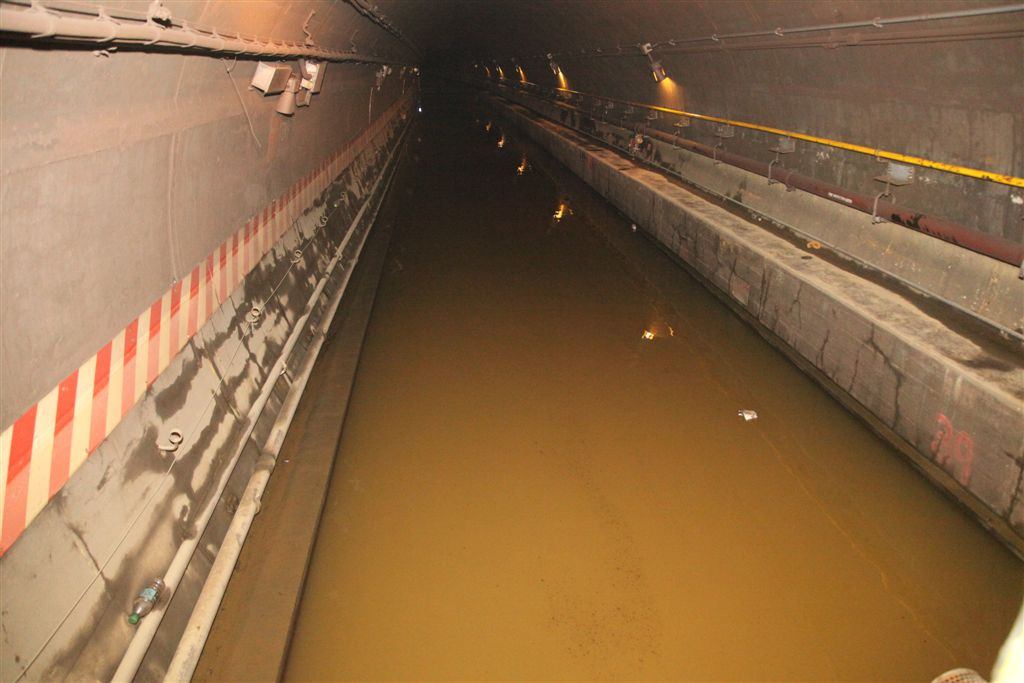
Why basement apartments flood so fast
- Sewer backups. Much of New York City has combined sewers that carry stormwater and wastewater in the same pipes. In intense rain they fill up, and water comes back up through the lowest drains, toilets and showers, which are in the basement.
- Surface water. Water running down the street and driveway pours in through below-grade doors, stairwells and windows. Once it starts, it can rise inches per minute.
- Single exits. Many basement units have one way out, often a stairwell that is the first place water flows into.
- Groundwater. In low areas, such as parts of southeast Queens, the water table is high and basements take on water even without a storm.
Staying safe when a flash flood is coming
Sign up for alerts
Notify NYC, the city’s free emergency notification service, sends flash flood warnings by text, email and phone. Turn on Wireless Emergency Alerts on your phone as well.
Know your way out
Know every exit, and keep a path to it clear. If your only exit is a stairwell that floods, plan to leave as soon as a flash flood warning is issued, not when water appears.
Move up early
When a warning is issued for your area, go to a higher floor or a neighbor’s or friend’s home above ground. Take medication, documents and your phone.
Never stay in rising water
If water starts coming in, leave immediately. Do not try to save belongings, and do not open a door with water pressing against it.
Stay away from electricity
Do not touch the panel, outlets or appliances while standing in water. Call 911 if anyone is trapped.
If you cannot get out and water is rising, call 911 and move to the highest point you can reach.
After the water stops
- Do not go back in until the water has stopped rising and the power to the unit is off. If the panel is in the flooded space, call Con Edison or your utility to shut off power.
- Assume the water is contaminated. Sewer backups and street floodwater carry bacteria. Wear boots and gloves, and keep children and pets out.
- Photograph and video everything before cleanup, including the water line on the walls.
- Tell the landlord in writing right away (text or email is fine, keep a copy), and report it to your renters insurer.
- Get professional drying started. Soaked drywall, carpet and insulation in a basement do not dry on their own, and mold can begin within 24 to 48 hours. See sewage backup cleanup and basement flooding.
Who is responsible for what
| Item | Usually the responsibility of |
|---|---|
| Repairing the building: walls, floors, plumbing, electrical | Landlord (owner) |
| Water extraction, drying and mold prevention in the unit | Landlord (owner) |
| Tenant furniture, clothing, electronics | Tenant, through renters insurance |
| Temporary housing while the unit is unlivable | Tenant’s renters insurance (loss of use), if they have it |
| Building damage from flooding | Owner’s flood insurance; owner’s homeowners policy for sudden pipe bursts |
New York’s warranty of habitability requires landlords to keep rentals fit to live in. In New York City, owners of buildings with three or more units also must fix mold and the conditions that cause it under Local Law 55 of 2018. Tenants can report conditions to 311, which refers housing complaints to the Department of Housing Preservation and Development (HPD). For more, see our landlord and tenant guide.
Unregistered basement apartments
Many basement units were never legally approved for living, and tenants in them often fear that reporting a problem will cost them their home. Tenants in unregistered units generally still have rights, and tenant advocacy groups and legal aid organizations can explain them. In 2024, New York State authorized the city to create a program to bring some existing basement apartments up to code, which may eventually make more of them legal and safer.
Whatever the unit’s status, safety comes first: if water is coming in, leave.
Reducing the risk next time
- Owners can install a backwater valve on the building sewer line to keep sewage from flowing back in. A licensed plumber must install it, and it needs regular maintenance.
- Keep curb drains and catch basins near the building clear of leaves and trash, and report clogged catch basins to 311.
- Store valuables, documents and electronics off the floor, in waterproof bins.
- Renters insurance is inexpensive and covers belongings from many causes. Ask specifically about sewer backup and flood, which are often excluded or need extra coverage.
Common questions
Related questions
Does renters insurance cover a flooded basement apartment?
It depends on the source. Renters policies usually cover belongings damaged by a sudden pipe burst. Sewer backup often needs an added endorsement, and flood from outside is excluded unless you have a separate flood policy, which the National Flood Insurance Program does offer for contents.
Can my landlord make me pay for the cleanup?
Generally no, unless the damage was caused by your own negligence. Repairing and drying the building is the owner’s responsibility. Your own belongings are your responsibility, which is what renters insurance is for.
Do I have to keep paying rent if my apartment is unlivable?
Tenants may be entitled to a rent abatement when a unit is not habitable, but do not simply stop paying without advice. Contact a tenant organization, legal aid or an attorney about your situation.
How long does it take to dry a flooded basement apartment?
Drying usually takes three to five days after soaked materials that cannot be saved are removed. Sewage contamination adds cleaning and disinfection time. Rebuilding is separate.
Need hands-on help?
Call (800) 000-0000 to reach a local restoration team, any time.