
Guide · winter
Frozen Pipes on Long Island: How to Prevent, Thaw and Recover
Long Island winters are milder than upstate, which is exactly why pipes freeze here. Homes are not built for long deep cold, so when an arctic blast drops temperatures into the teens and the wind comes off the water, pipes in garages, crawl spaces and outside walls freeze within hours. The damage usually shows up when the pipe thaws and water pours out.
This guide covers where to look, what to do before a cold snap, how to thaw a pipe without starting a fire, and what to do if one has already burst.
Updated October 2026 · Water Restoration New York
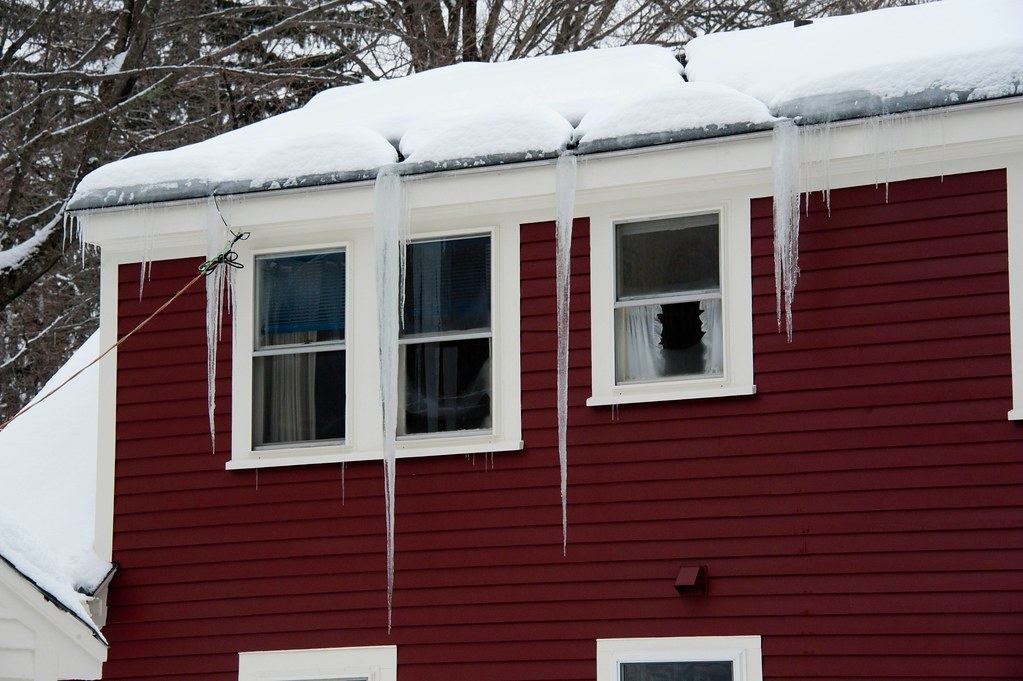
Where pipes freeze in Long Island homes
- Attached garages, especially pipes running to a laundry, utility sink or hose bib on the garage wall.
- Crawl spaces under additions, sunrooms and elevated homes on the South Shore.
- Exterior walls, often kitchen sinks on an outside wall and bathrooms in dormers or second-floor additions.
- Outdoor hose bibs that were never shut off and drained for the winter.
- Unheated basements and utility rooms, and the space where the main line enters near a foundation vent.
- Seasonal homes on the East End, Fire Island and the North Fork that are left with the heat turned down or off.
Wind matters as much as the thermometer. A pipe in a wall facing the bay or the Sound can freeze when a pipe on the sheltered side of the house does not.
Before a cold snap
Shut and drain outdoor faucets
Close the indoor valve that feeds each hose bib, disconnect the hose and open the outside faucet so it drains. Frost-free sillcocks still burst if a hose is left attached.
Keep the heat on
Keep the thermostat at 55°F or higher, day and night, including when you are away. A lower setting saves little and risks a lot.
Open cabinet doors
Open sink cabinets on outside walls so warm room air reaches the pipes. Move cleaning products out of reach of children and pets.
Let a faucet drip
On the coldest nights, a slow drip of both hot and cold at the faucet farthest from the main relieves pressure and keeps water moving.
Insulate the weak spots
Foam pipe sleeves in garages and crawl spaces are inexpensive. Seal gaps around pipes where they pass through outside walls and close foundation vents for the winter.
Know your main valve
Find it, label it and test it before winter. If it will not turn, have a plumber replace it with a quarter-turn ball valve.
If a pipe is frozen but not broken
Signs include a faucet that gives a trickle or nothing at all, frost on an exposed pipe, or a bulge in the pipe. Act before it thaws on its own.
Open the faucet
Open the faucet the pipe feeds, so melting ice and water have somewhere to go and pressure does not build.
Warm it gently
Use a hair dryer, a heating pad or towels soaked in hot water, starting at the faucet end and working back toward the frozen section. A portable space heater can warm a room, kept well away from anything flammable.
Never use an open flame
No torches, propane heaters or charcoal. They start fires in walls and can produce carbon monoxide.
Keep warming until full pressure returns
Then check every other faucet in the house. If one pipe froze, others may have too.
Shut the main if you cannot find it
If the frozen section is inside a wall or ceiling you cannot reach, shut the main valve and call a plumber. A thaw inside a wall is the worst place for a split to let go.
If a pipe has burst
- Shut off the main water valve immediately, then open the lowest faucet in the house to drain the lines.
- Turn off power to wet areas at the breaker, but only if you can reach the panel standing somewhere dry.
- Turn off the water heater if the house is draining, so the tank does not heat while empty.
- Photograph everything before moving or throwing anything away.
- Call a plumber to repair the pipe and a restoration company to extract water and dry the structure. Water from a burst supply pipe is clean at first, but it soaks into insulation, subfloors and wall cavities and needs to be measured with moisture meters, not just mopped.
Water from a burst pipe in a ceiling can collect above drywall. If a ceiling is sagging, stay out from under it and puncture it only from the side, with a bucket below. See burst and frozen pipe water damage.
Vacant and seasonal homes
Many Long Island homes sit empty for part of the winter: summer houses in the Hamptons and on the North Fork, homes between owners, and houses where the owner is away for the season. These are the costliest freeze losses, because water can run for days before anyone notices.
- Either keep the heat on and have someone check the house regularly, or have a plumber shut off and drain the system completely, including the water heater, boiler lines and toilet tanks.
- Install a smart thermostat or a low-temperature alarm that texts you if the house gets cold.
- Consider an automatic water shut-off valve that closes the main when it detects a leak or a sudden flow.
- Read your policy. Many homeowners policies exclude freeze damage when a home is vacant or unoccupied unless you kept the heat on or shut off and drained the water.
How insurance usually treats frozen pipes
Sudden water damage from a pipe that froze and burst is typically covered by a homeowners policy, subject to your deductible. The pipe repair itself is sometimes treated differently from the resulting water damage. Coverage can be denied if the insurer finds the home was not reasonably heated or maintained, which is why records of a thermostat setting or a caretaker’s visits matter for vacant homes.
For the claims process and New York’s insurer deadlines, see our New York insurance claim guide.
Common questions
Related questions
At what temperature do pipes freeze?
Water freezes at 32°F, but pipes inside a home usually do not freeze until the outside temperature drops well below that, typically into the low 20s or teens for several hours. Wind, exposure and insulation make a big difference.
Should I drip all my faucets?
Usually only the faucets on outside walls or those fed by pipes that have frozen before. A slow drip is enough. If you are on a cesspool, keep it to the faucets that need it.
How do I know if a pipe burst inside a wall?
Signs include the sound of running water with every faucet off, a water meter that keeps moving, wet spots or bulges in drywall, and a sudden drop in water pressure. Shut the main valve and call for help.
Can a frozen pipe burst even if it thawed without leaking?
Yes. Freezing can weaken a pipe or fitting without splitting it, and it may fail the next time it freezes. Have a plumber inspect pipes that froze and consider insulating or rerouting them.
Need hands-on help?
Call (800) 000-0000 to reach a local restoration team, any time.