
Guide · mold
Mold After Water Damage: What New York Homeowners Should Know
Mold needs three things: moisture, something to feed on, and time. After a leak or flood, wet drywall, carpet pad, wood and cardboard supply the food, and mold can begin to grow within 24 to 48 hours. Fast, thorough drying is the best way to keep water damage from becoming a mold problem.
This guide is informational. It explains how to prevent mold after water damage and how New York regulates mold work. It is not a substitute for an assessment by a licensed professional.
Updated October 2026 · Water Restoration New York
Why mold follows water damage
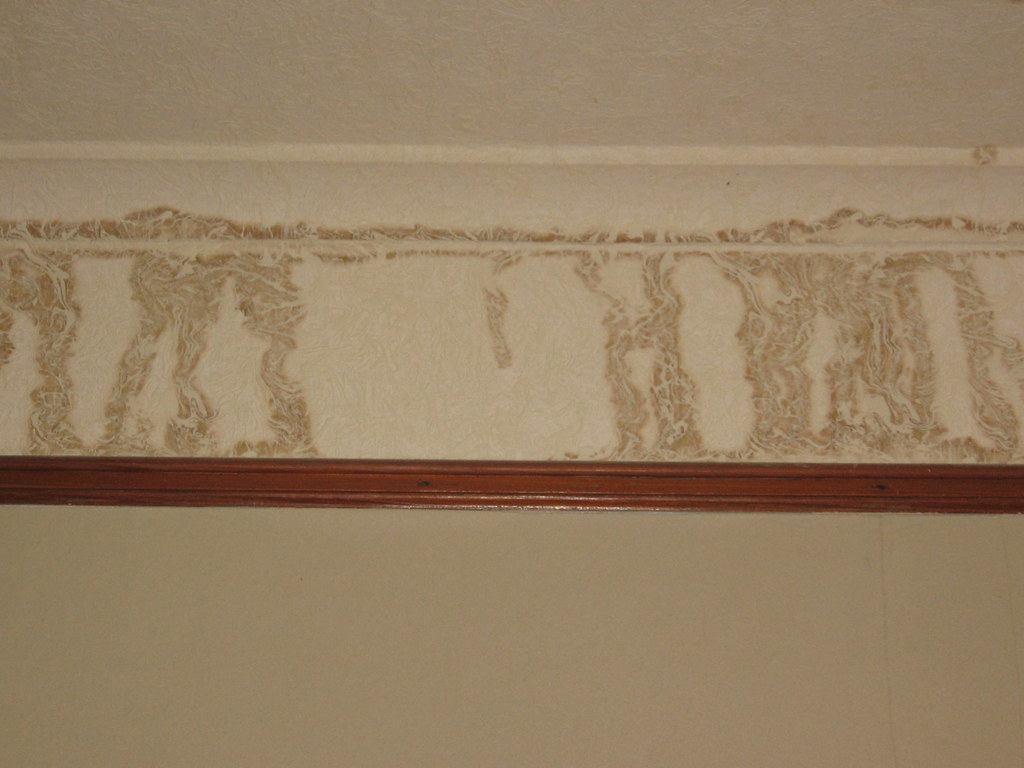
Mold spores are present almost everywhere, indoors and out. They stay dormant until they land on a damp surface. Water damage creates large areas of wet material, often hidden inside walls, under flooring and above ceilings, where it stays damp long after the visible water is gone.
- Hidden moisture: the inside of a wall cavity or the underside of a subfloor can stay wet for weeks without professional drying.
- Contaminated water: sewage and floodwater carry organic matter that feeds growth.
- Humid basements: Long Island and Hudson Valley basements often stay above 60% relative humidity in summer, which can support mold on its own.
Preventing mold after a leak or flood
Stop the water
Fix the source first. Drying while water is still coming in only delays the problem.
Remove standing water fast
Extraction in the first day removes far more water than fans ever will. See water extraction and drying.
Remove what cannot be saved
Wet carpet pad, saturated insulation, and drywall soaked by sewage or floodwater usually need to come out.
Dry to a measured target
Dehumidifiers and air movers dry the structure. Moisture meters, not touch, show when wood and drywall are back to normal.
Keep humidity down afterward
Indoor relative humidity ideally stays between 30% and 50%. Run a dehumidifier in basements in summer.
Do not paint over or caulk wet or moldy surfaces. It hides the problem and traps moisture in the wall.
Signs mold may already be growing
- A musty, earthy smell, especially in a basement or closet.
- Spots or fuzzy patches in black, green, white or gray on walls, ceilings, baseboards or the back of furniture.
- Staining, bubbling paint or warped baseboards near a past leak.
- Recurring condensation on windows or cold pipes.
New York’s mold licensing law
New York Labor Law Article 32, administered by the NYS Department of Labor, regulates mold assessment and remediation. Key points for homeowners:
- For mold covering more than 10 square feet, assessment and remediation must be performed by companies licensed by the state.
- The assessor and the remediator must be separate companies. The same contractor cannot assess and then remediate the same project.
- The assessor writes a remediation plan before work begins, and a clearance assessment confirms the work is finished.
- You can verify a license with the NYS Department of Labor.
Small areas, under 10 square feet, are outside the licensing requirement. Homeowners can often clean these themselves following EPA guidance, or hire a professional.
In New York City, owners of buildings with three or more apartments must also address mold under Local Law 55 of 2018, with specific work practices for larger areas.
How restoration and mold work fit together
Water damage restoration focuses on drying wet materials quickly so mold never gets started. If a restoration team finds existing mold larger than 10 square feet, New York requires a licensed assessor to evaluate it and a separate licensed remediator to remove it. A good restoration company will tell you when that threshold is reached rather than simply tearing out moldy materials.
This site provides general information about mold and does not perform or arrange mold assessment or remediation.
Mold and insurance
Many homeowners policies cover mold only when it results from a covered water loss, often with a low dollar limit, and exclude mold from long-term leaks, humidity or poor maintenance. Report water damage promptly and document drying, because delays can be used to deny mold coverage. See our insurance claim guide.
Common questions
Related questions
How soon does mold grow after water damage?
Mold can begin growing on damp materials within 24 to 48 hours. That is why drying should start as soon as the water is stopped.
Should I use bleach on mold?
Bleach is not recommended as a routine mold treatment, and it does not penetrate porous materials such as drywall or wood. For small areas on hard surfaces, detergent and water usually work. Porous materials with mold growth often need to be removed. Never mix bleach with ammonia or other cleaners.
Do I need a mold test after a leak?
Not usually if the area was dried quickly and there are no signs of mold. If you see or smell mold over a larger area, or someone in the home has health concerns, a licensed mold assessor can inspect.
Can a restoration company remove mold in New York?
Only if it holds a New York mold remediation license, and only when it did not also perform the assessment on that project. Ask to see the license and the assessor’s remediation plan.
Need hands-on help?
Call (800) 000-0000 to reach a local restoration team, any time.